If you have ever wondered how a bag of gummies can trace its origins back to a hemp plant, you are asking the right question. Hemp-derived edibles are not magic, but the supply chain and the manufacturing decisions are where the real differences show up. When the product is “hemp-derived thc edibles” (or “hemp derived edibles” more broadly), the key point is that the starting material is hemp, and the THC present in the finished edible is typically obtained through processing steps that turn hemp’s naturally abundant cannabinoids into something that can deliver THC effects.
That does not mean every hemp gummy is the same. It means the industry has a few common routes, and the quality of an edible depends heavily on how those routes are handled, how the product is dosed, and how it is tested.
Below is how these hemp-derived thc edibles are generally made, what you can expect from a finished product, and the practical realities that matter more than marketing claims.
The raw material: hemp that does its job quietly
Most hemp cultivation is built around cannabinoids that are legal in many places when they stay within certain limits. Hemp flower and biomass are harvested, dried, and stored with care, because moisture and heat exposure can degrade cannabinoids and encourage contaminants. From there, processors separate the usable plant compounds from the rest of the material.
In everyday terms: the hemp plant is the pantry. What matters next is what gets pulled out, how it gets pulled out, and what gets refined into a form that edible manufacturers can dose consistently.
Two things affect the rest of the process immediately.
First, the cannabinoid profile of the input biomass varies by strain and growing conditions. Even with reputable suppliers, you should expect some variability batch to batch.
Second, the quality of the extraction solvent and the cleanup steps determine how “clean” the resulting oil or distillate will be. Cleaner inputs usually mean fewer off-notes and fewer unknowns when the edible is finally eaten.
When people search for hemp-derived edibles, they are usually trying to get a predictable THC experience without the stigma or retail friction associated with cannabis-derived products. That goal is reasonable, but it only works when manufacturing handles consistency like it is the main product, not an afterthought.
Step 1: extraction, where chemistry starts doing the heavy lifting
The first major manufacturing stage is extraction. Manufacturers may use different approaches depending on the desired output and the downstream conversion plan. Common industry methods include alcohol extraction or supercritical CO2 extraction, which are chosen for their ability to pull cannabinoids from plant material while leaving behind many unwanted compounds.
At this point you typically end up with something like a crude extract. It is not the end of the story. Crude extracts contain more than one cannabinoid, plus waxes, lipids, pigments, and sometimes residual plant compounds. If the process stops here, dosing would be inconsistent and taste would be rough.
So the crude extract moves into refinement, where manufacturers aim to isolate and standardize the target cannabinoid mixture.
A detail that matters for edible quality: extraction conditions influence color, odor, and how easy the extract is to purify later. I have worked with finished oils that were technically “usable” but still carried a faint bitterness that later showed up as an aftertaste in gummies. Better purification costs more, but you usually feel it when you actually eat the product.
Step 2: purification and standardization, turning plant compounds into consistent input
Refinement is where you go from “extract” to “ingredient.” This can involve winterization (to remove waxes), filtration, and then more advanced purification such as Click here distillation or chromatography. The goal is to produce an intermediate that is stable, concentrated, and easier to measure by weight.
For hemp-derived thc edibles, manufacturers typically need a THC-containing ingredient in a predictable concentration. Depending on the product type and local regulations, the THC in the final edible may be present as delta-9 THC, or as a THC product derived from hemp via conversion steps, often starting from CBD.
That is why you will sometimes see terms like “hemp-derived,” “CBD-to-THC conversion,” or “converted cannabinoids.” The specifics are complex and vary by manufacturer, but the concept is the same: you can’t just throw hemp biomass into a gummy mold and expect it to deliver the THC experience people want.
Step 3: converting cannabinoids into THC (the part people think is one step)
When a product is marketed as hemp-derived thc edibles, it is often because THC is not abundant in the starting hemp the way it is in traditional cannabis flower. Hemp is usually rich in CBD relative to THC. To get THC into the edible, manufacturers commonly convert some CBD into THC through a controlled chemical process.
Conversion is where you have to pay attention to process control. Reaction conditions, catalysts, reaction time, and cleanup steps influence the final cannabinoid profile and the presence of byproducts. The best manufacturers do not treat conversion like a black box. They treat it like a quality system with in-process checks and thorough purification afterward.
After conversion, the THC-containing fraction needs further purification to reduce unwanted compounds. This is one reason two gummies can both be “hemp-derived” but feel very different. Differences in the final cannabinoid mix affect onset, intensity, and even whether the product feels clean or “heavy.”
If you are someone who is sensitive to taste or to certain cannabinoids, this stage is often the hidden reason you notice a difference immediately.
Step 4: formulation, where the edible becomes a food product
Once the manufacturer has a THC-containing oil, distillate, or similar ingredient, the next job is to distribute it properly in an edible base.
For gummies, that often means melting a gelatin or pectin system and dispersing the active ingredient so that each piece contains the intended dose. For chocolates, beverages, or soft gels, the approach changes, but the principle stays the same: you need uniform distribution and stable mixing.
Two formulation choices heavily influence your experience:
How the THC is delivered
THC is fat-soluble. If the edible base supports absorption well, effects tend to feel stronger and more consistent. If the delivery system is weak, you may get a delayed, patchy experience.How the edible is processed and stored
Heat during mixing and the type of encapsulation can affect flavor and stability. Storage conditions affect the shelf life of cannabinoids and the sensory quality of the product.This is also where flavorings and sweeteners enter the picture. A product can be chemically fine and still be unpleasant if it has solventy notes or a stale, grassy flavor. People remember taste, and taste is often the first clue that the upstream purification may not have been as tight as it could be.
Step 5: dosing, the part that determines whether your evening goes smoothly
The most important “manufacturing” for the consumer is dosing accuracy. Even small deviations can matter because edibles typically do not let you fine-tune your dose in real time.
Reputable hemp-derived edibles producers use measuring and batch systems that aim for consistent milligram per serving. Still, reality intrudes. In any manufacturing run, there can be variability, and it becomes worse when:
- the active ingredient is not fully standardized, the mixing process is not consistent, or the final product lacks good homogeneity.
This is why you should treat the label like a baseline, not a guarantee of identical effects every time. Dose response also depends on your body, what you have eaten, and your tolerance.
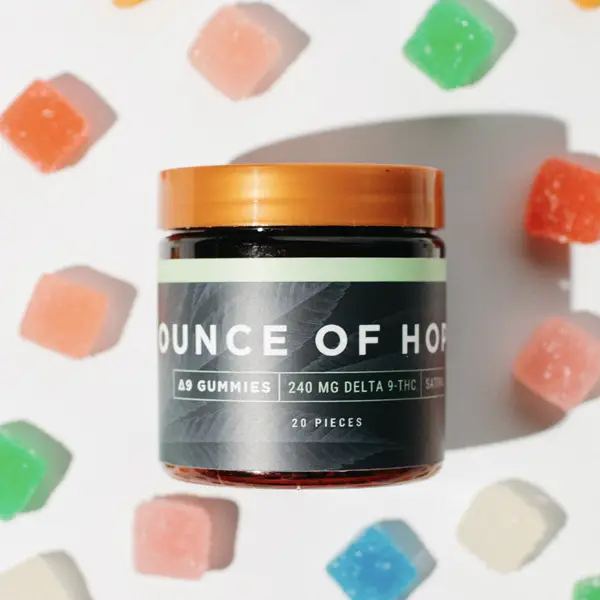
When I test products for myself, I look for two things: whether the package clearly states mg per serving, and whether the brand seems to have a mature approach to consistency. If a label is vague, if servings are confusing, or if the product seems “all over the place” batch to batch, I treat that as a warning sign.
Step 6: testing, because “trust us” does not protect you
Testing is where manufacturers move from claims to evidence. The most defensible products are tested for cannabinoid potency and for contaminants that can matter in any edible.
You will typically see third-party lab testing results. The details vary, but commonly you should expect screening related to:
- cannabinoid content and potency, contaminants like heavy metals, microbial contaminants, residual solvents (if solvents are involved), and sometimes potency for specific cannabinoids such as delta-9 THC.
Here is the part that matters in real life: if the labeled THC dose does not match what the lab reports, your experience can drift in unpredictable ways. And if contaminants are not properly screened, the risk is not theoretical.
A quick consumer check I recommend is to look for a lab report you can actually access, not just a name printed on a package. If the documentation is missing or generic, assume you are buying blind.
Common lab checks you might see on hemp-derived THC edible reports
- Cannabinoid potency (including delta-9 THC and other measured cannabinoids) Heavy metals Microbial testing (where applicable) Residual solvents Sometimes pesticide screening
Step 7: packaging and shelf life, where quality can quietly erode
Packaging is not just for convenience. THC in edible form can be affected by light, heat, and oxygen exposure. Even when a product is manufactured correctly, poor packaging can lead to slower degradation and flavor changes over time.
For consumers, the simplest “manufacturing reality” is storage. If gummies are shipped in hot conditions and sit in a warm car, you may see changes in taste and sometimes in experience due to cannabinoid degradation.
If you care about consistency, store your hemp-derived edibles in a cool, dry place, and keep them sealed. That is not glamorous advice, but it is practical.
What to expect after you eat it: onset, intensity, and that “why did it take so long?” feeling
Edibles behave differently from inhaled THC because digestion and absorption create a delay. Even with well-made hemp-derived thc edibles, onset depends on factors like:
- whether you ate recently, your digestion speed, whether the edible contains fats that support absorption, and your individual sensitivity.
Most people experience onset somewhere in a window that can feel like 30 minutes to a couple of hours. The ceiling for effects often comes later than you expect, and that timing can vary widely.
Here is a common scenario I have seen play out with friends and customers: they take a gummy, feel nothing for a while, get impatient, take another, and then get surprised when the first dose catches up and the second dose stacks on top. The product did not “fail.” The timing simply worked against their expectations.
This is why dosing behavior is as important as manufacturing. A consistently made product can still lead to a bad night if you treat the first hour like it is a waiting room with no signs posted.
A practical way to approach your first hemp-derived edible dose
- Start low, especially if you have never used THC edibles Give it time before taking more, and plan around that delay Avoid mixing with alcohol if you are trying to learn your sensitivity Keep notes on dose, timing, and food intake Store it properly and avoid using expired product
If you are already a seasoned edible user, you can still benefit from a “time-first” mindset. Even experienced consumers underestimate variability between products because not all hemp-derived edibles deliver THC in the same way.
Why hemp-derived THC can feel different from cannabis-derived THC
People often compare hemp-derived edibles to traditional cannabis edibles. Sometimes the experience is similar. Sometimes it is not, and you can usually explain the difference by looking at cannabinoid profile and formulation.
Two main reasons show up in real use:
The ratio of cannabinoids in the final product
Even when THC is the headline, there is often a supporting cast of other cannabinoids. Some products may include additional cannabinoids, while others are essentially THC-forward. Those differences can shift how “smooth,” sedating, or clearheaded the effects feel.The purity and delivery system
Cleaner oils and better distribution can produce effects that feel more direct and less “off.” Delivery systems that support absorption can make the edible feel stronger at the same labeled dose.There are also legal and regulatory constraints that can influence what manufacturers choose to emphasize. In some markets, a product may be optimized for compliance and consistency rather than for matching traditional cannabis flavor or extraction style. You may taste that difference more than you notice it in the effects, depending on your sensitivity.
The hidden trade-offs: taste, speed, strength, and predictability
When manufacturing aims for one priority, it can influence others.
- More intense flavors sometimes cover up residual notes from less thorough purification. That can be pleasant, but it can also make it harder to tell what you are actually consuming. Faster onset is usually tied to how the edible is formulated and what it contains. However, chasing speed can lead some products to feel more abrupt. Higher THC concentration increases the chance that people will overdo it. Concentration can be useful for experienced users, but it raises stakes if the dosing is not handled carefully. Predictability comes from standardization and quality control. That costs money, and sometimes the marketplace shows it.
If you are selecting hemp-derived edibles, you are not just buying THC. You are buying an engineered route from plant chemistry to your bloodstream. The best products make that route boring in the best way, consistent batch after batch.
What can go wrong (and what to do about it)
Edibles are forgiving in one sense, because you can feel the experience building. They are also unforgiving, because once effects hit, you cannot reverse them quickly.
Common issues people run into include:
- Taking too much too soon Feeling unexpectedly strong effects due to absorption differences Getting a “too long” effect because your body metabolizes cannabinoids slower than average Experiencing unpleasant taste or aftertaste due to formulation issues Confusing serving sizes or label language
If you find yourself unusually sensitive, the best “fix” is a behavior change, not brand roulette. Reduce your dose, wait longer, and treat each new product like it may behave differently.
For unpleasant physical sensations, staying calm matters. Hydration and a light snack can help some people feel more comfortable. Alcohol is not the move if you are trying to avoid compounding effects. If you or someone else has severe symptoms, seek medical help. That is not dramatic advice. It is standard safety.
Choosing better hemp-derived thc edibles without getting lost
It is easy to get swept up in brand lore. I prefer to anchor decisions in observable signals.
Look for clear labeling, consistent serving sizes, and access to third-party lab testing. Watch how the brand describes dosing: the best ones talk about milligrams per piece or per serving in straightforward terms. They also tend to acknowledge timing, not just brag about potency.
Also pay attention to what “hemp-derived” means on the label and how the brand supports that claim. Some products focus on CBD-forward experiences, others focus on THC delivery, and some try to do both. Your goal should determine which style you pick.
The keywords you see in the market, like hemp derived edibles, hemp-derived thc edibles, hemp derived thc edibles, and hemp-derived edibles, often point to the same broad category, but the details behind them vary. Treat the headline as a category, not as a guarantee of what you will feel.
A realistic “from plant to edible” recap
If you want the short version in plain language, it goes like this: hemp is harvested, extracted, and refined into concentrated cannabinoids. If THC is part of the finished product, conversion steps may be used to transform CBD into THC under controlled conditions, followed by purification. Then the manufacturer formulates the THC ingredient into an edible base, distributes it to match the labeled dose, tests it, and packages it to protect quality.
That is the manufacturing story. The consumer story is simpler but no less important: dose slowly, respect onset delay, and expect that each product can behave slightly differently depending on formulation and your body.
If you have ever been burned by impatience with edibles, consider that lesson a win. Hemp-derived thc edibles are often easier to access than traditional cannabis edibles, but they still demand the same patience. Your best experience comes from treating them like a measured, timed dose, not a quick hit.